Author: anafraley47

  • Analog Vs Digital Living

    An open wheat field

    Let’s start with a few definitions…

    person using laptop
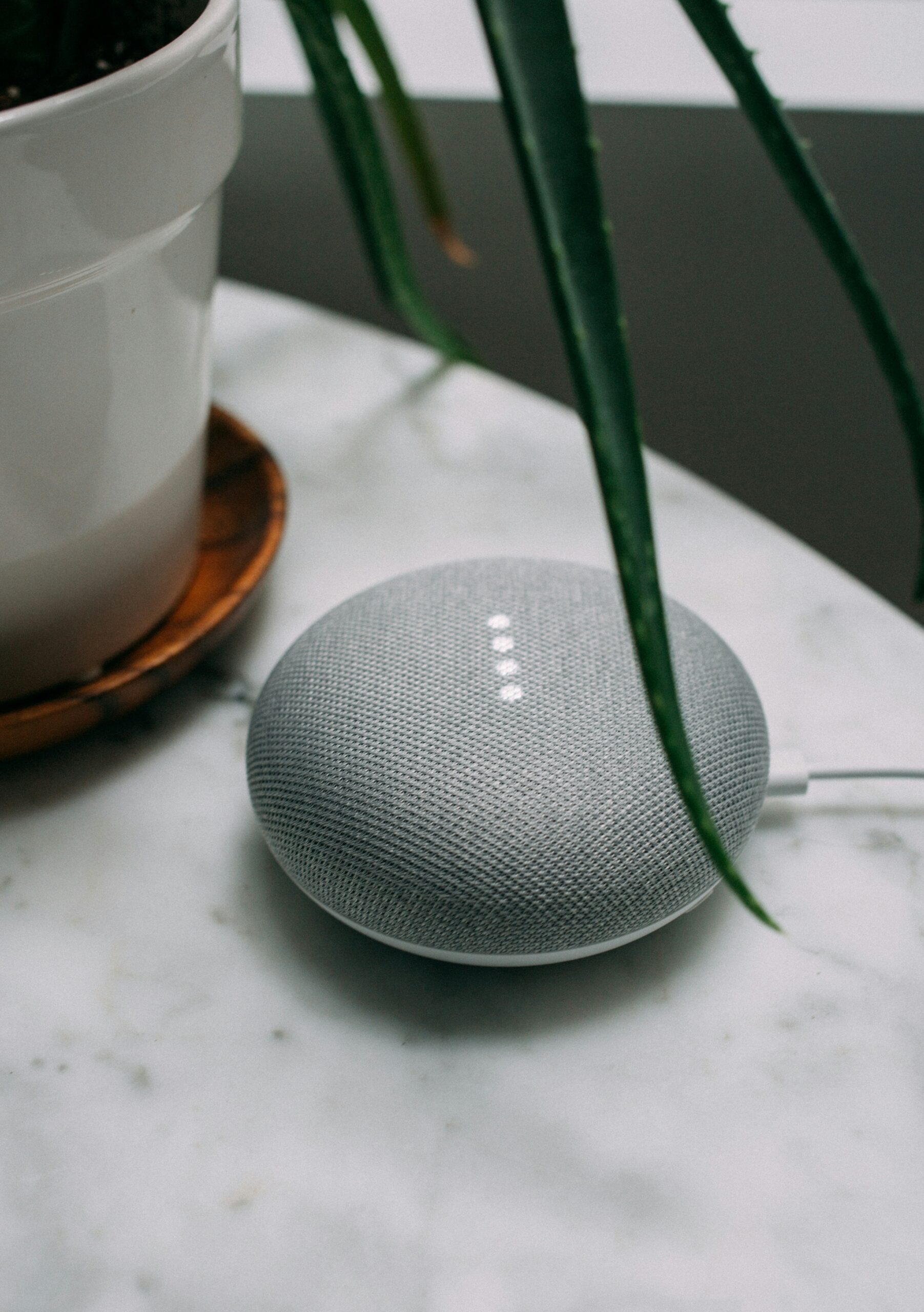
    round charcoal Google Home Mini plug-in

    What is Digital Living?

    Digital living is the way we interact, work, and entertain ourselves through screens, apps, connected devices, and online platforms. It prioritizes speed, convenience, automation, and constant access to information.

    Benefits:

    Convenience & efficiency: Tasks like banking, shopping, and communication happen instantly.

    Connectivity: You can stay in touch with people anywhere in the world.

    Access to limitless information: Learning and research are just a few clicks away.

    Productivity tools: Calendars, reminders, apps, and digital workflows streamline daily life.

    Drawbacks:

    Information overload: Constant notifications and content can overwhelm focus.

    Reduced attention span: Endless scrolling makes deep concentration harder.

    Less physical connection: Experiences lose their tactile, sensory richness.

    Higher stress & burnout: Being “always on” can drain energy and well‑being.

    What is Analog Living?

    Analog living focuses on real‑world, hands‑on, intentionally slow experiences. It embraces physical tools, tactile hobbies, and meaningful pauses rather than constant digital engagement.

    Benefits:

    Increased presence: No notifications means deeper focus and richer moments.

    Enhanced creativity: Writing, crafting, and making things by hand spark new ideas.

    Calm and grounding: Slower, sensory experiences help reduce stress.

    Stronger memory & connection: Tactile activities—like handwriting or reading physical books—deepen retention and emotional engagement.

    Drawbacks:

    Less immediate convenience: Tasks take more time and effort.

    Limited portability: Physical books, planners, or tools aren’t as compact as digital equivalents.

    Less integration: Analog methods don’t sync across devices or automate.

    Access challenges: Harder to use when traveling or when speed is essential.
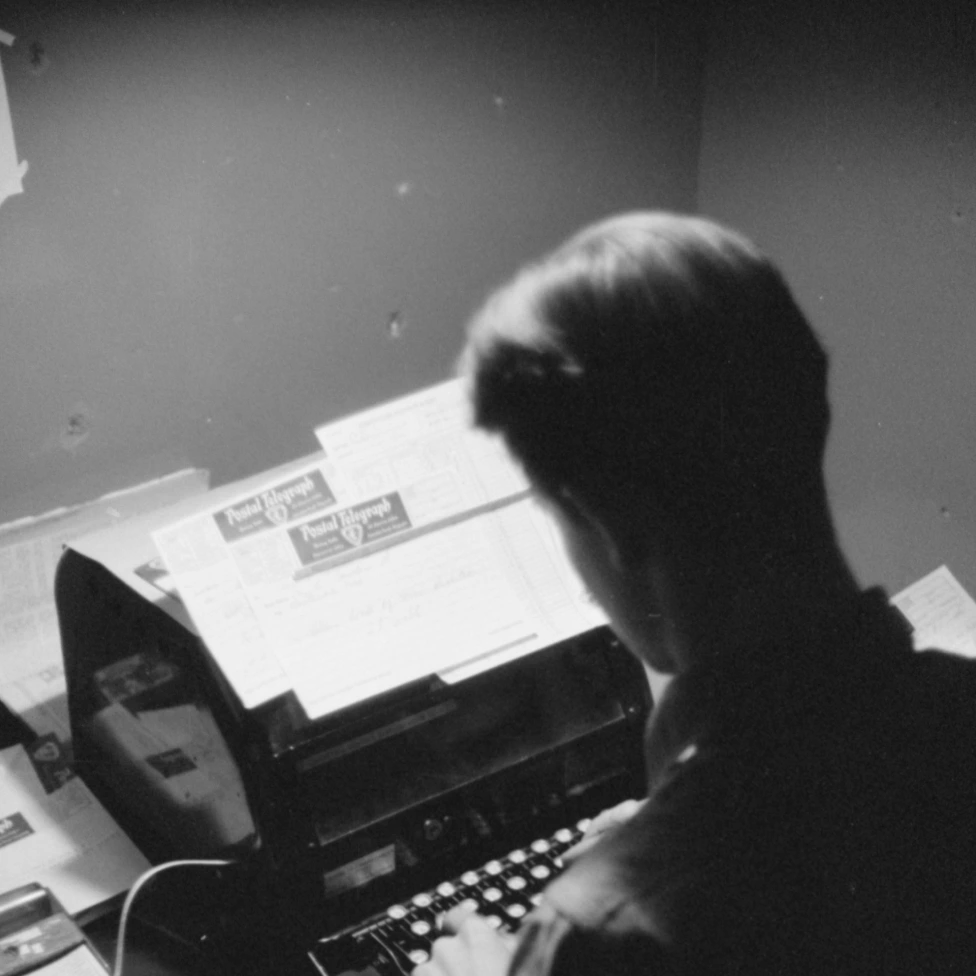
    typewriter
    shallow focus photography of pencil on book
  • Living Analog

    Living Analog

    In a world where every moment can be accompanied by a ping, buzz, swipe, or scroll, more people are gravitating toward something quieter, slower, and surprisingly revolutionary: the analog life.

    Living analog isn’t about rejecting technology altogether—it’s about intentionally choosing slowness, presence, and physical experiences in an age that constantly pushes for immediacy. It’s a lifestyle rooted in mindfulness rather than nostalgia, and its benefits touch everything from mental clarity to creativity to genuine human connection.

    If you’ve ever felt overwhelmed by your digital world, this guide is your invitation to step into a more grounded way of living.


    The analog life centers on choosing tactile, real‑world experiences over digital ones when it’s helpful, healthy, and joyful to do so. It doesn’t forbid technology—it reframes your relationship with it.


    Digital life fragments attention. Analog tasks bring it back.
    Writing with pen and paper, for example, forces your brain to slow down and engage more deeply, improving retention and creativity.

    2. To Reduce Stress and Anxiety

    Constant notifications keep your nervous system in a subtle state of alert.
    Analog routines remove that pressure and give your mind permission to settle.

    3. To Spark Creativity

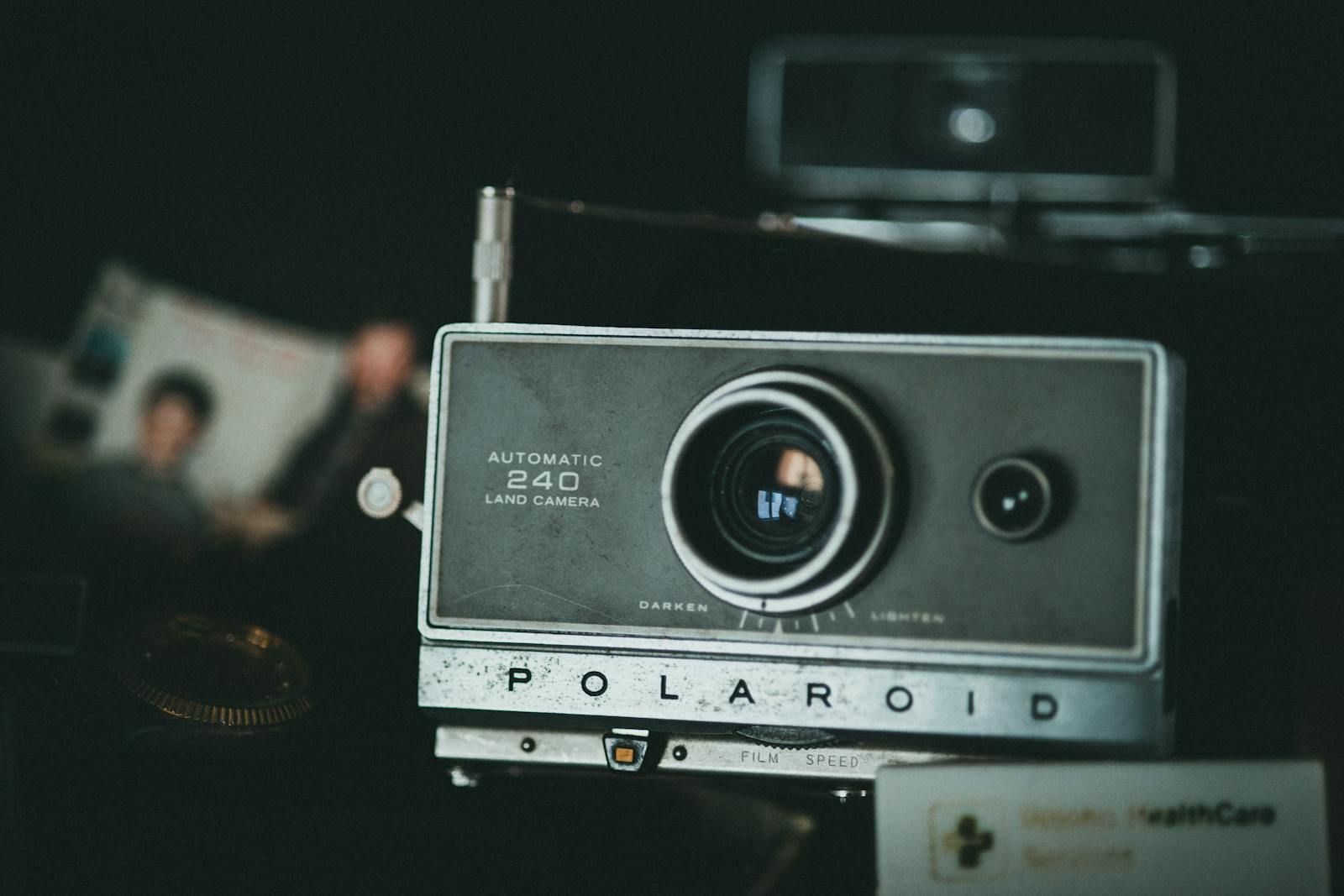
    Analog tools—sketchbooks, journals, film cameras—introduce friction, and that friction leads to more thoughtful creation.

    A phone-free walk with a friend or a handwritten note hits differently.
    Analog moments create presence, which leads to intimacy.

    5. To Rediscover Joy in Small Things

    There’s something magical about slow rituals:
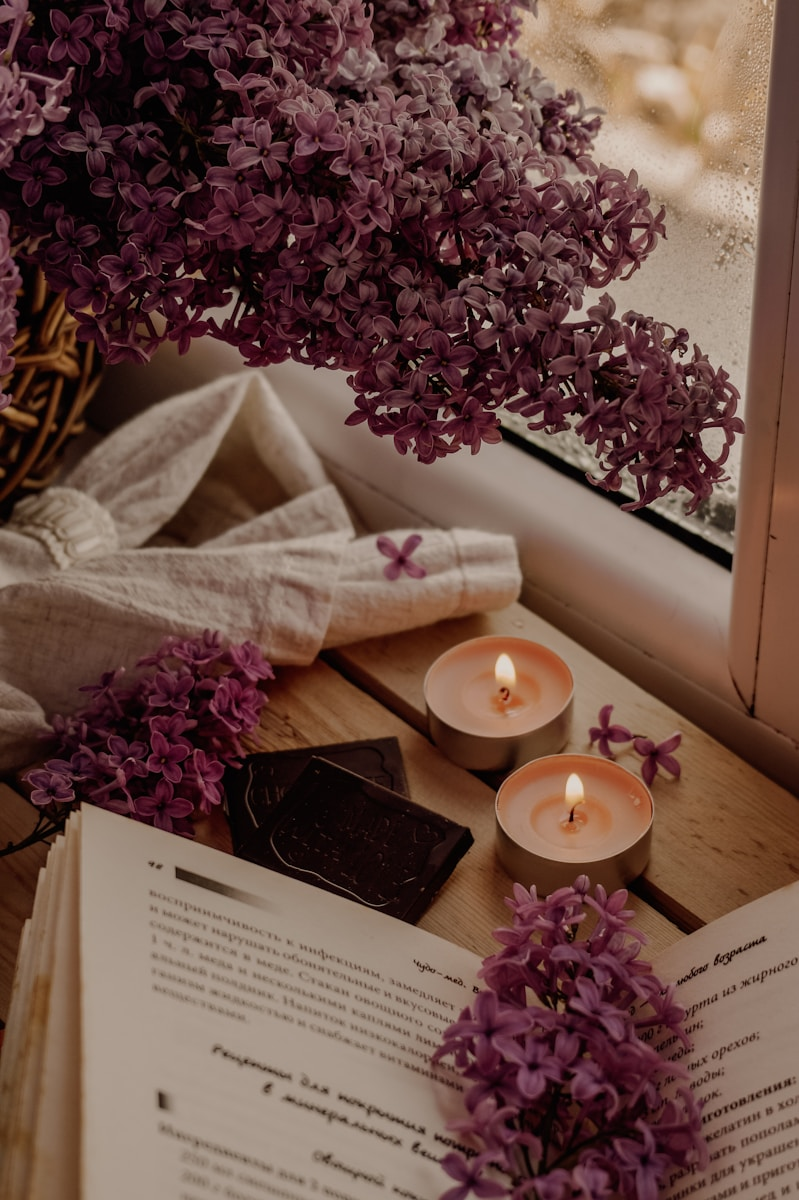
    pouring tea, lighting candles, reading a real book, flipping through records.
    Analog living brings back texture.

    Mrs. Brown took her husband`s arm, and as they walked away, it was clear from the way her tilted cheek turned up to his that she had something private to share.