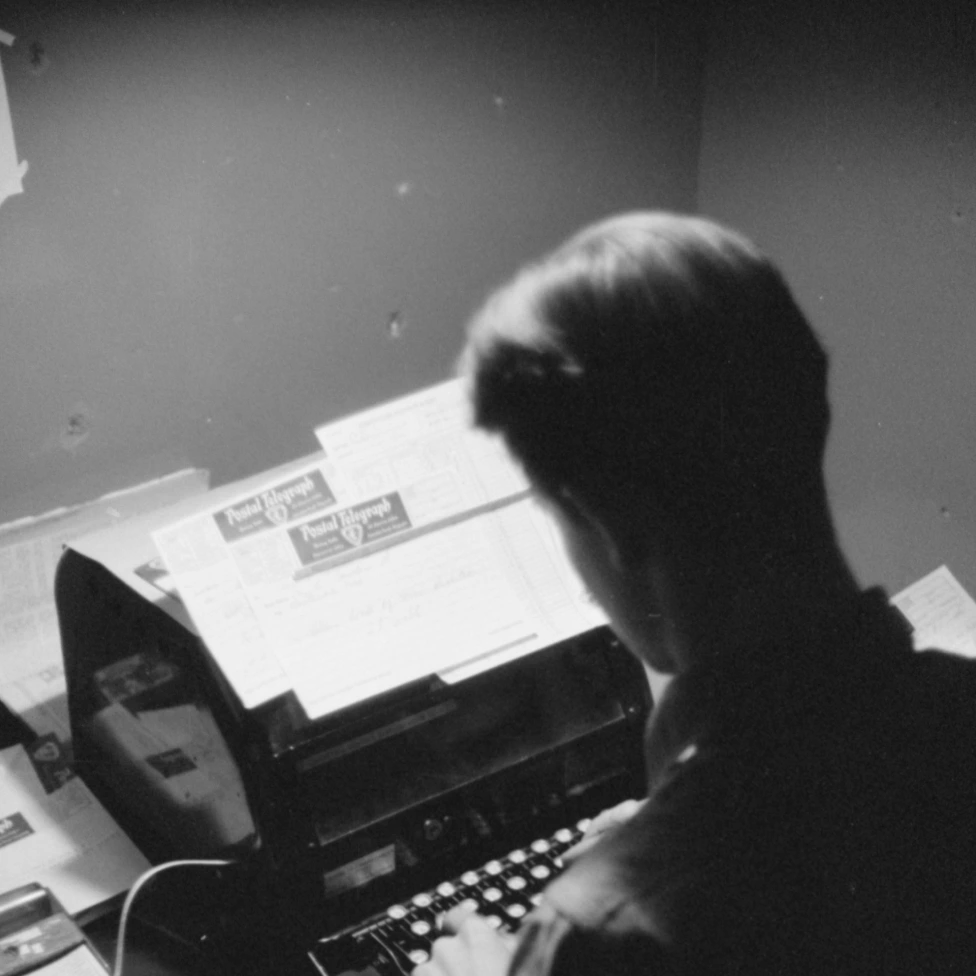
Analog Vs Digital Living

Let’s start with a few definitions…

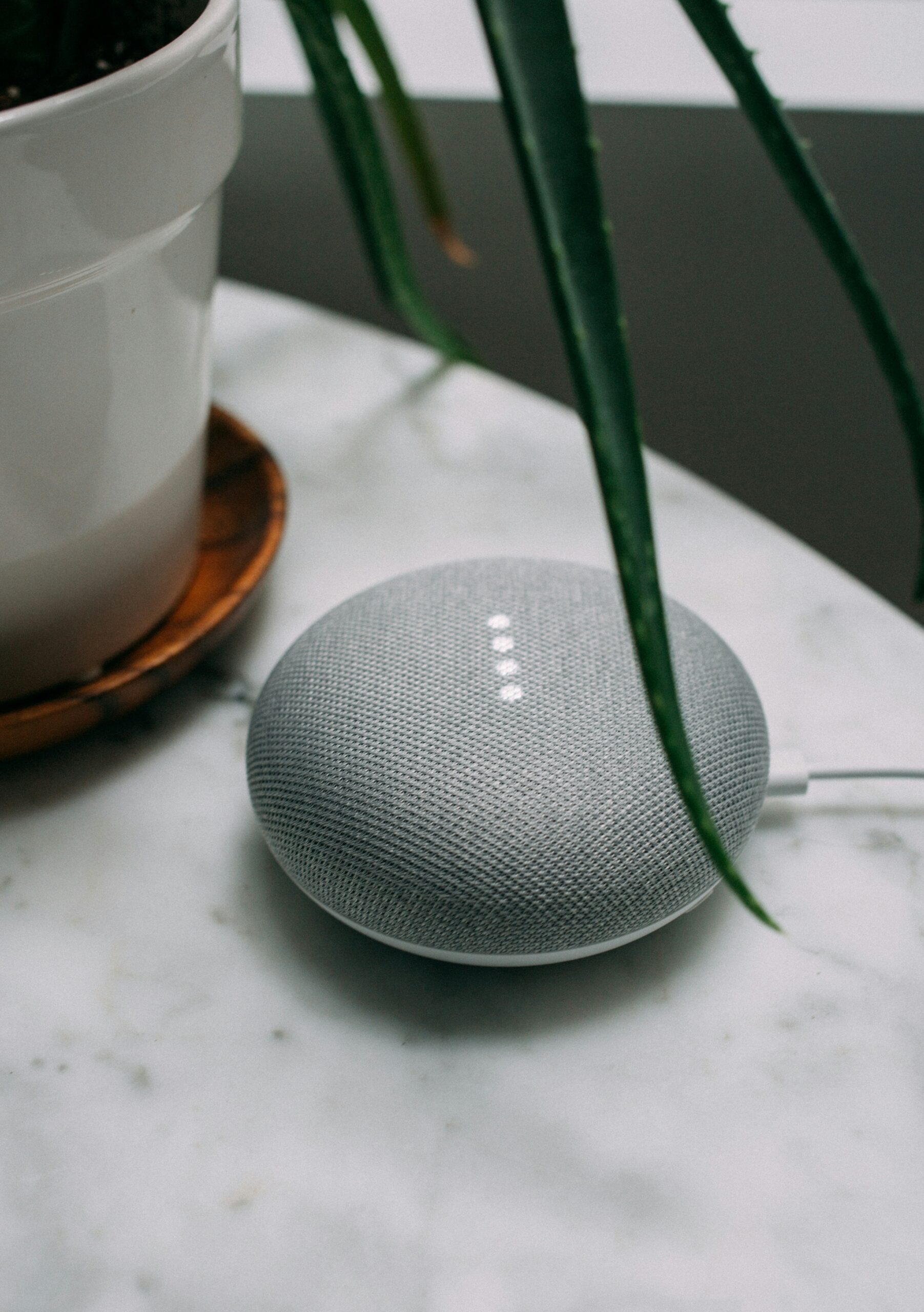
What is Digital Living?
Digital living is the way we interact, work, and entertain ourselves through screens, apps, connected devices, and online platforms. It prioritizes speed, convenience, automation, and constant access to information.
Benefits:
Convenience & efficiency: Tasks like banking, shopping, and communication happen instantly.
Connectivity: You can stay in touch with people anywhere in the world.
Access to limitless information: Learning and research are just a few clicks away.
Productivity tools: Calendars, reminders, apps, and digital workflows streamline daily life.
Drawbacks:
Information overload: Constant notifications and content can overwhelm focus.
Reduced attention span: Endless scrolling makes deep concentration harder.
Less physical connection: Experiences lose their tactile, sensory richness.
Higher stress & burnout: Being “always on” can drain energy and well‑being.
“The balance between digital and analog isn’t a battle—it’s a choice to blend efficiency with meaning.”
What is Analog Living?
Analog living focuses on real‑world, hands‑on, intentionally slow experiences. It embraces physical tools, tactile hobbies, and meaningful pauses rather than constant digital engagement.
Benefits:
Increased presence: No notifications means deeper focus and richer moments.
Enhanced creativity: Writing, crafting, and making things by hand spark new ideas.
Calm and grounding: Slower, sensory experiences help reduce stress.
Stronger memory & connection: Tactile activities—like handwriting or reading physical books—deepen retention and emotional engagement.
Drawbacks:
Less immediate convenience: Tasks take more time and effort.
Limited portability: Physical books, planners, or tools aren’t as compact as digital equivalents.
Less integration: Analog methods don’t sync across devices or automate.
Access challenges: Harder to use when traveling or when speed is essential.